
Dublin Resident Lookup Record Routes
Every Dublin record route answers a different question. A parcel or tax owner-of-record belongs with the county Auditor. Once a parcel, legal description, or party is identified, the Recorder confirms the recorded instrument. Ohio's voter route is an individual registration check. Courts are split among separate Municipal, Common Pleas, Probate, and federal systems. Vital and probate channels serve yet another purpose. No official source offers a complete roster of every person at every address. Match the tool to the question before searching.
| Record | What it can confirm | Where | Access boundary |
|---|---|---|---|
| Auditor parcel record | Tax owner-of-record, situs, parcel, and mailing fields as displayed | Franklin County Auditor | Public property data; it does not establish all occupants. |
| Recorder instrument | Recorded party and property relationship | Franklin County Recorder | Modern deed index begins 1914; address is not the Recorder index key. |
| Voter record | Individual registration, precinct, and polling-place context | Ohio Voter Search | Protected fields and protected participants remain unavailable. |
| Court docket | Named party in a specific case | Municipal Clerk search | Correct court, sealed-file limits, and same-name checks apply. |
| Vital or probate record | Life event, estate, marriage, or court-administered matter | Franklin County Probate | Custodian rules and protected components control access. |
| Credential or filing | Public affiliation or status | eLicense Ohio | A listed filing or credential location is not current-home proof. |
Keep a short evidence sheet. Log the exact displayed name, middle initial or suffix, record date, county, and source link. Add any parcel, case, document, or credential number. Compare two sources that do not simply repeat each other. An Auditor result plus a Recorder instrument is one strong pairing. A voter result with a court party record holds only when the date and county facts fit. If the date and county facts conflict, pause. Resolve the conflict through the custodian.
Dublin County Record Check
Dublin crosses Franklin, Delaware, and Union counties. That fact changes a name search before it starts. Confirm the address's actual county, then use the matching county office. The City's neighborhood guidance points to all three recorders for association declarations. Dublin's Dubscovery map includes County of Parcel Data, which helps route a parcel trail. A Franklin County no-result may simply mean the address sits in a different county system.
Verify the address through an official postal source first. USPS ZIP Code Lookup is one way to confirm delivery details. But a postal name does not decide county custody or title. A Dublin address can carry a Dublin postal label. The record path still depends on the parcel's county. Keep the original address spelling when a historic or alternate record is involved.
A county check also blocks a common same-name error. Two people can share a surname and first name. Yet they may connect to different counties, parcels, or courts. The location field belongs in the evidence sheet beside the name. Treat it as a core fact, not an afterthought.
Confirm the mail route before the records office. Postal confirmation should come first. That is why the official USPS address and ZIP interface belongs at the start of any county-specific record search.
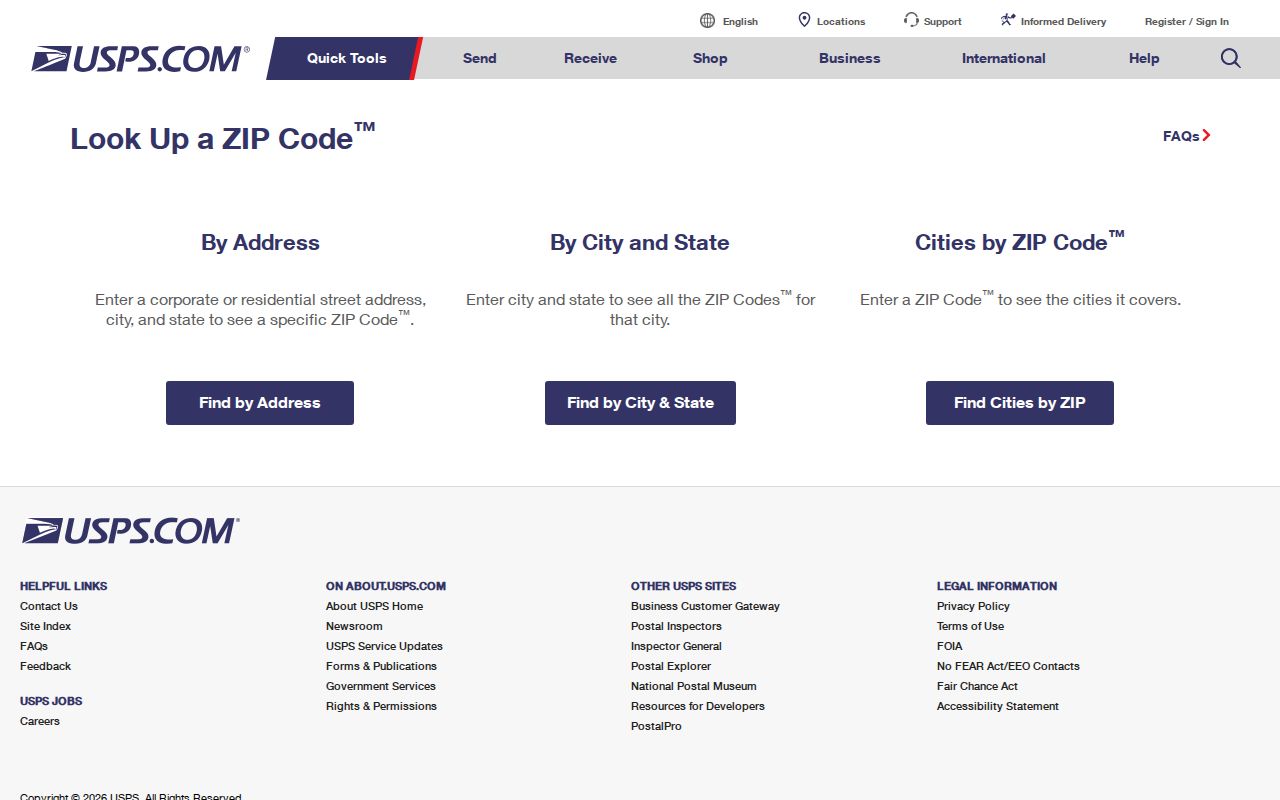
Use the returned address details as a routing check. Then confirm the parcel county in the county or City map system before relying on a local record office. Note: Postal delivery labels and legal record jurisdiction can point to different official systems.
Use Dublin Court Search Fields
Court results need careful matching too. The Franklin County Municipal Court Clerk search accepts last name, first name, middle name, date of birth, company name, party type, case number, ticket number, case type, case year, and case status. A valid search uses a case number, ticket number, last-and-first name, or company name. Start small. Add year, type, or party role only when it helps separate similarly named people. The smallest reliable combination wins.
| Visible field | Format | Required | Use in a name check |
|---|---|---|---|
| Last name | Text | Conditional | Pair with first name for a minimum name search. |
| First name | Text | Conditional | Pair with last name; compare spelling variants carefully. |
| Middle name | Text | No | Useful for separating common names. |
| Date of birth | MM/DD/YYYY | No | Use only when it is already known and displayed by the official form. |
| Case or ticket number | Text | Conditional | A direct route when an official number is available. |
| Case year and status | YYYY and dropdown | No | Useful narrowing fields, not identity proof on their own. |
A public result can show a case number, party name and role, case type, year or status, ticket number where applicable, docket events, court dates, and available copy directions. It is only an index result. Common Pleas, Domestic Relations, and Tenth District matters use Case Information Online. Probate maintains a separate index. Federal cases use PACER. Pick the court whose jurisdiction fits. Record the court, case number, and party role. Note the displayed date before deciding whether a Clerk copy is needed for an accessible file.
Confirm Dublin Voter Details
Ohio Voter Search answers one question at a time. It confirms a single registration. It asks for first name, last name, and county. A street-name control can appear after an initial search. If the tips call for it, try a derivative first name. A former last name or an earlier Ohio-county address may also work. What comes back is registration and voting-location context, read as status rather than proof of residence. It will not show ballot choices, and it should never become an address-by-address roster.
Franklin County adds its own routes. My Voter Information is the county-level option. The Board of Elections Election Vault opens a public-records channel with downloadable files. The Ohio DATA Act archive keeps county snapshots for at least 22 months. Files are generated daily at 4 p.m. It reports more than 60,000 county files at a time. Large searches and downloads arrive in batches. Those numbers explain why the archive is no casual substitute for a one-person check. Snapshot data also lives on a limited clock. It cannot establish a current address without another supporting record.
Franklin County’s Election Vault public-records portal stands as the documented county fallback. A particular election file or request route is what calls for it.
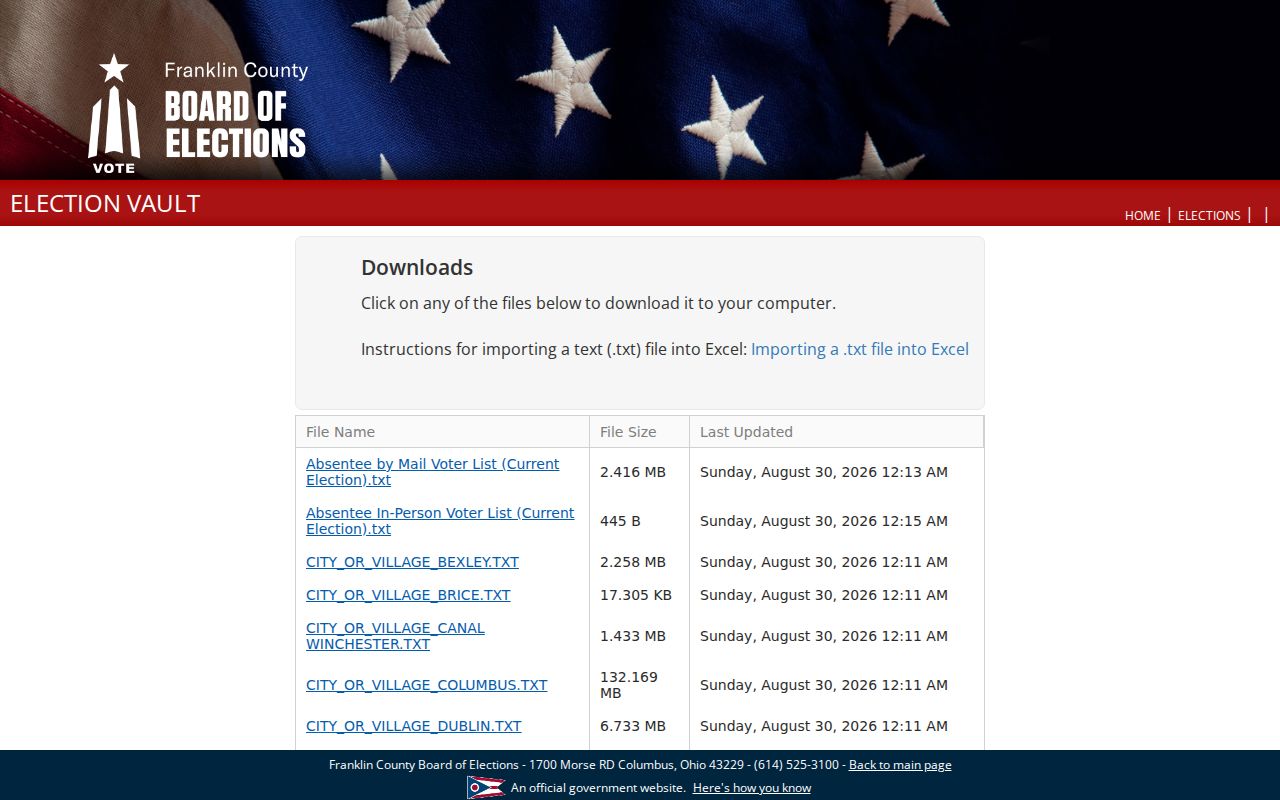
For an individual registration question, start with the statewide or county lookup. Reach for the archive or public-records channel only when a defined record already exists and you know what you need from it.
Verify a Dublin Resident Lookup
A single answer rarely identifies the right person. Responsible resident lookup anchors a name to a specific county and one independent record, then tests the match against a source that answers a different question. An owner is not always the occupant. A court party may simply share a name. A filing address can predate the event by years. The strongest result is a small set of facts that agree on their own, without anyone forcing the connection.
- Write down the exact name spelling, middle initial or suffix, likely county, and any known date.
- Check the appropriate Auditor owner-name or parcel result and preserve the parcel, situs, and date shown.
- Find the Recorder instrument by party, parcel, or legal description, because the Recorder does not index by street address.
- Use the voter or court route only when its county and identifying details can independently align with the first record.
- Ask the original custodian for an accessible copy or correction route when a material conflict remains.
- Docket
- A court’s running list of case events, dates, filings, and entries. It is not necessarily the complete official file.
- Index and image
- An index points to a record. An image is a view of the document itself, which can have separate access or redaction limits.
- Certified copy
- A copy issued and certified by the custodian for a record. The office’s current procedure and fee control the request.
Dublin Vital Record Routes
Birth, death, marriage, and estate records sit with different custodians. Ohio Revised Code §3705.23 sets out a signed-application route for certified vital-record copies. That route is subject to specific statutory limits. The medical-and-health-use portion of a birth record never appears in an ordinary certified copy. A death certificate's Social Security number carries an early protection period. And archival-transfer timing is no blanket rule that every newer vital record is unavailable.
In a Dublin and Franklin County context, Columbus Public Health states its local coverage. It also lists ordering, mail, and walk-in channels for eligible birth and death certificate requests. Franklin County Probate handles marriage licenses. It also maintains marriage, estate, guardianship, name-change, and related records. Per its certified-records information, electronic images exist for most filings on or after August 2, 1998. Older material may be paper, microfilm, or microfiche. When an online index stops short, the counter or custodian request is the next channel.
Family history work opens further doors. CML's local-history resources, historical newspapers, obituaries, cemetery material, and released census records can supply dated context. None of it replaces a certified vital record. Cite the document type. Cite the issuing custodian too. Do not reduce a life event to a bare name match.
Dublin Credential Record Checks
Official business and credential systems can corroborate a public affiliation. They cannot prove a present household connection. Ohio Business Central shows an entity, statutory agent, filing date, status, and recorded filing details. Its documented Search By control includes Agent or Registrant. eLicense Ohio covers credentials from 24 participating agencies. Boards and commissions are included. Its help tells a searcher to enter a last name and first initial plus board. Alternatively, enter a complete license number with punctuation.
eLicense results are updated daily. A result can display a name, board, license type or number, and status. It may also show issue, effective, or expiration dates. City, state, and any disclosed board action can appear too. Treat those fields as credential evidence only. The listed city or a filing address is not an address verification. When a credential looks wrong, follow the relevant board or agency correction channel. Do not copy the result elsewhere.
The official eLicense Ohio search serves as a separate status source. It is not a general name-and-address index for a Dublin residents directory or street directory search.
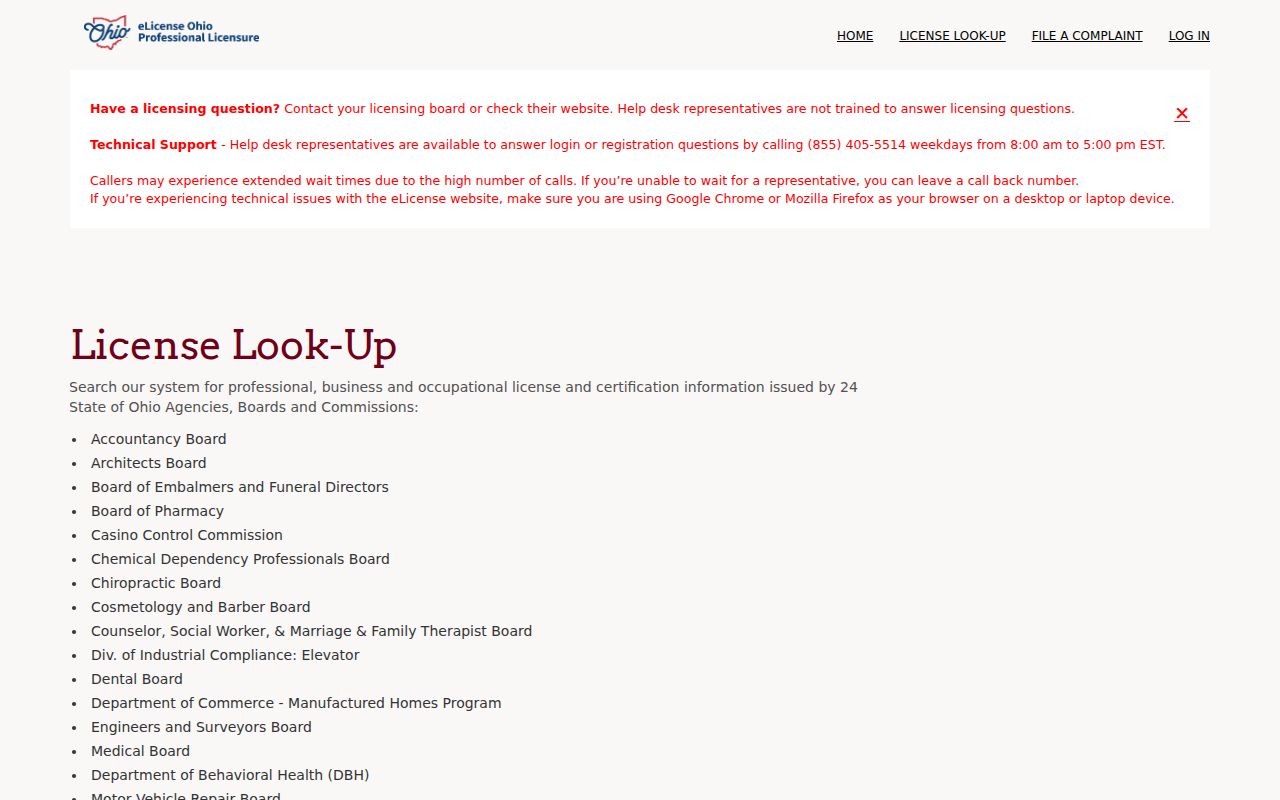
Compare results using the board and credential number from the returned record. Keep the source date too, because credential status can change.
Ohio Status Search for Dublin
Some official systems answer a narrow status question rather than identifying a resident. The Ohio Department of Rehabilitation and Correction runs an offender search with name, county, ZIP, status, hearing-date, and offender-number controls. Franklin County Sheriff Corrections offers a separate inmate-information route and a telephone contact for current custody information. Match the official system to the question. Read any warning or limitation before treating a result as current.
Names repeat. Location fields can be incomplete. Released or historical status may differ from current status. Never use a status result to draw conclusions about an unrelated person, address, or family, and remember that court records and custody systems carry their own scope, timing, and access limits.
The Ohio official status-search interface is included here to distinguish a limited state record from a general Dublin name search or resident lookup.
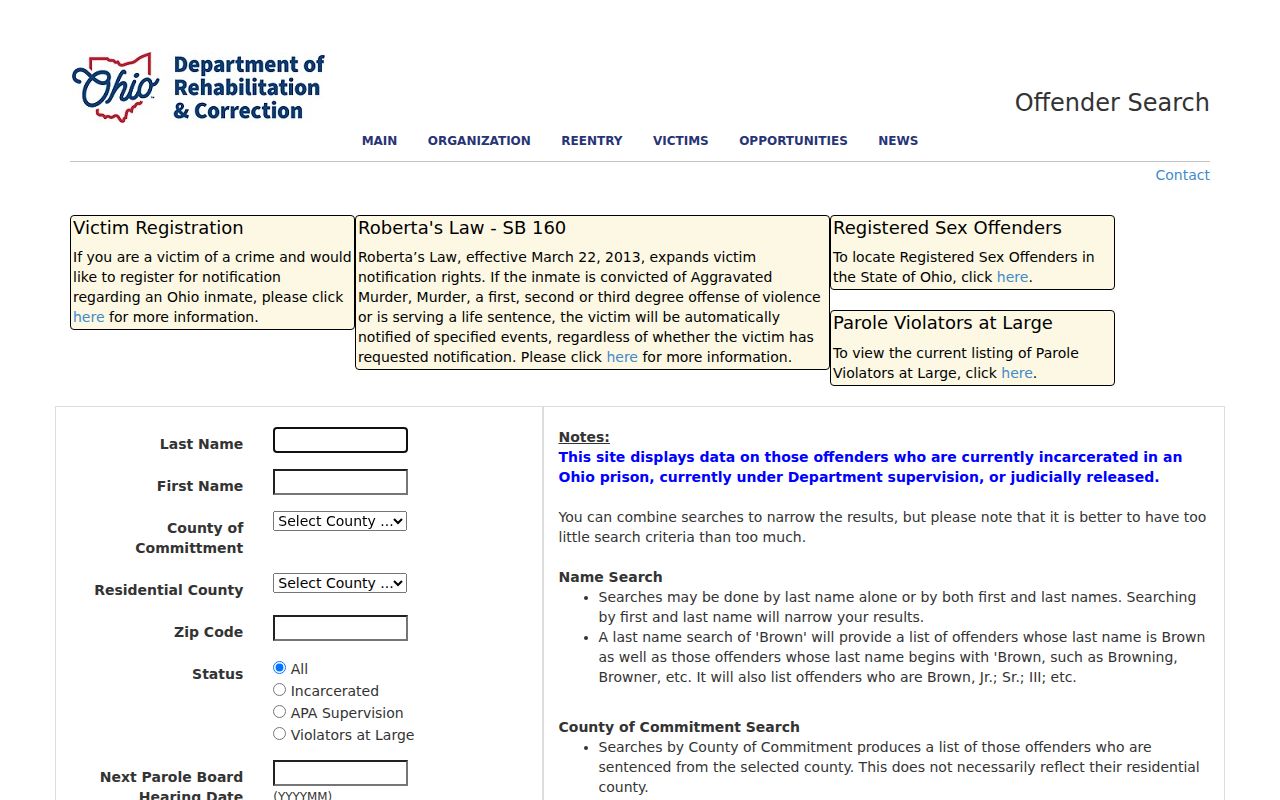
Check any name match against the official identifier, date, and jurisdiction shown by the state source.
Dublin Resident Lookup Privacy Limits
Ohio's Public Records Act, ORC §149.43, opens existing records to the public. It does not force an office to build a person file. It also lets agencies withhold anything law keeps confidential. A good request names the record class, a name or address, and a date range. Dublin JustFOIA handles City records. The Recorder covers recorded instruments, and the court clerk covers court files. The Auditor holds parcel data, while the Board of Elections takes voter-file and election-record requests. When a record comes back redacted or withheld, ask the office for its legal basis.
Safe at Home is Ohio's address-confidentiality program under ORC §§111.41-111.47. Eligible participants may use a substitute mailing address and gain property-record protections. So a missing result in a Dublin resident lookup can be a shield working as designed. It is not an error to defeat. Sealed court records, adoption and minor matters, protected voter fields, medical records, and guarded motor-vehicle data all carry their own limits. Send any correction to the office that controls the record.
Lawful use. Use official Dublin and Ohio records only for personal, lawful research. Never use a name, address, filing, map, or record to stalk, harass, threaten, or harm anyone.
Note: A blank result in a Dublin resident lookup can stem from a county mismatch, a protected record, a name variant, or a genuine absence. Check the spelling and county before assuming the person is absent.